




Reviewed by Dr. Priyanka Gupta
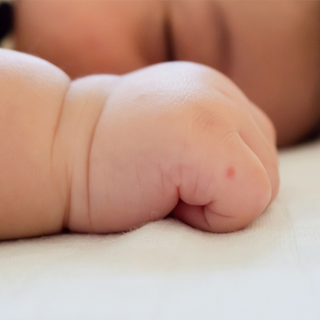
When you hold your baby, their skin feels impossibly soft and smooth. But beneath that velvety surface lies an incredible biological feat: a microscopic armor hard at work 24/7.
Think of your baby’s skin barrier as their body’s invisible superpower - an active, living shield designed to keep good moisture locked in while keeping environmental harshness out.
However, even superpowers have a vulnerable beginning. Understanding how this invisible shield works (and how to care for it) is the secret to keeping your little one comfortable, calm, and rash-free.
What Exactly Is the Skin Barrier?
To visualize your baby’s skin barrier, picture a tiny, protective brick wall: millions of individual skin cells act as the bricks, while essential natural lipids serve as the mortar holding them together. Floating directly over this outer layer is the acid mantle, an invisible, slightly acidic film at pH 5.5 that completes the seal to lock in deep hydration and keep environmental irritants out.
-
The Bricks: Millions of tiny skin cells (corneocytes) that form the physical structure.
-
The Mortar: Essential natural oils, lipids, and ceramides that glue those cells together and create a watertight seal.
-
The Invisible Shield: A microscopic, slightly acidic surface film called the Acid Mantle sitting right on top.
When this wall is intact and functioning at its natural pH of 5.5, it creates an environment where bad bacteria cannot thrive, while essential moisture stays trapped inside.
Why a Baby's Superpower Needs Backup
While your adult skin barrier is fully developed, thick, and resilient, your newborn's skin barrier is still under construction.
ADULT SKIN vs. BABY SKIN
ADULT SKIN BARRIER BABY SKIN BARRIER
================ ========================
✓ 30% Thinner Structure ✗ 30% Thinner Structure
✓ Low Water Loss ✗ High Moisture Loss (TEWL)
✓ Fully Mature Acid Mantle ✗ Delicate Acid Mantle (pH 5.5)
✓ Developed Oil Glands ✗ Underdeveloped Glands
Here is why your baby’s skin barrier needs a little extra superpower backup:
-
It's 30% Thinner: Infant skin absorbs substances much faster than adult skin, making it far more vulnerable to harsh chemicals and fragrances.
-
Moisture Evaporates Fast: Because their oil and sweat glands are still developing, babies experience rapid Transepidermal Water Loss (TEWL) - meaning moisture evaporates from their skin 3 to 5 times faster than yours.
-
It's Easily Disrupted: Everyday triggers like hot bath water, synthetic clothing friction, sweat, and traditional alkaline soaps can instantly break down that fragile acid mantle.
3 Signs Your Baby’s Invisible Shield Is Weakened
When the "mortar" in that brick wall breaks down or the acid mantle gets stripped, gaps open up. Here is how your baby’s skin communicates that its barrier is compromised:
-
Rough or Sandpapery Texture: If cheeks, elbows, or knees feel dry and flaky despite regular moisturizing, the barrier is losing its hydrating seal.
-
Instant Surface Redness: A weakened barrier lets wind, friction, and mild temperature changes penetrate deeper, causing sudden flushing or blotchiness.
-
Post-Bath Fretfulness: If your little one cries or squirms during or right after bath time, everyday water or cleansers may be stinging their delicate, sensitive and unshielded skin.
How to Protect & Supercharge Their Barrier Every Day
Rebuilding and maintaining your baby’s natural defense doesn't require a complicated 10-step routine. It comes down to respecting their natural biology with a few simple, daily habits:
-
Ditch the Alkaline Cleansers
Standard bar soaps and non-balanced cleansers often have a high, alkaline pH (7.0 to 10.0). Washing with alkaline products strips away natural lipids and elevates skin pH for up to 6 hours, leaving the barrier wide open to irritation. Opt for gentle, pH 5.5 balanced cleansers that clean without stripping.
-
Practice the "3-Minute Moisture Rule"
After bath time, gently pat your baby’s skin with a soft cotton towel - never rub. Within 3 minutes of stepping out of the bath, apply a daily lotion or cream while the skin is still slightly damp. This traps surface hydration directly into the stratum corneum before it can evaporate.
-
Target Problem Spots with High-Density Moisture
High-friction areas like drooly cheeks, dry knees, and diaper zones need concentrated support. Using an intensive, high-density cream over these specific areas creates a breathable protective seal that helps natural skin lipids recover.
Complete Barrier Care: The Softsens pH 5.5 Range
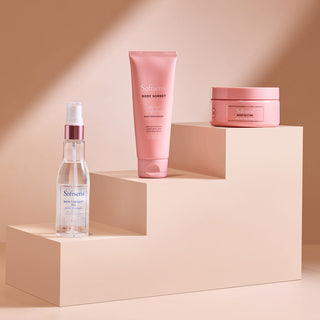
Supporting your baby’s invisible shield is at the heart of everything we make. Scientifically formulated to match your newborn’s natural pH 5.5 sweet spot, the Softsens pH 5.5 Skincare Range works in harmony with fragile infant skin from day one:
-
Softsens Tear-Free Baby Wash & Baby Shampoo: Gently cleanse away daily buildup and protect emerging hair follicles without stripping essential oils or disrupting the acid mantle.
-
Softsens Baby Lotion: A lightweight daily moisturizer with Natural Milk Cream, Shea Butter, and Vitamin E for fast-absorbing, all-day hydration.
-
Softsens Baby Cream: An intensive, high-density moisture barrier designed to soothe stubborn dry patches, calm diaper areas, and deeply nourish delicate facial skin.
You Know Your Baby. We Know Their Skin.
As your baby grows, their skin barrier will naturally mature and strengthen. But during these crucial early months, choosing skincare that honors their natural biology gives their invisible superpower the ultimate protection.
Discover advanced, clinically tested protection with the Softsens pH 5.5 Range - and give your baby soft, resilient, and happy skin every single day.
Primary Keywords
-
baby skin barrier repair
-
baby skin invisible shield
-
pH 5.5 baby skincare range
Secondary Keywords
-
signs of damaged baby skin barrier
-
transepidermal water loss in infants
-
how to protect newborn skin barrier
-
best pH 5.5 cream for dry baby patches