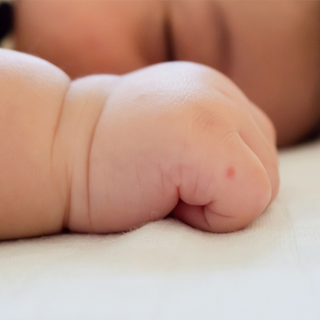



When you run your fingers over your newborn’s velvet-soft skin, you are touching a biologicalwork-in-progress. While it feels perfect, infant skin is actually a delicate, high-performanceorgan that is still "under construction."
At Softsens, we believe that understanding the science of your baby’s skin is the first step inprotecting it. Modern research shows that the skincare choices you make in the first few months do more than just prevent dryness - they actually help shape the skin's long-term health and immune system
1. The Science of "Under Construction" Skin
In the womb, your baby was protected by the vernix caseosa - that creamy,white coating thatacts as a natural waterproof shield. Once they are born, the skin must rapidly adapt to a dry,oxygen-rich, and germ-filled environment
- The Stratum Corneum: This is the outermost layer of the skin (the "bricks and mortar"). In infants, this layer is 30% thinner than in adults. The "bricks" (skin cells) are smaller and the "mortar" (lipids/fats) isn't as tightly packed yet. This makes the barrier more porous and less effective at blocking out environmental aggressors.
- Transepidermal Water Loss (TEWL): Because the barrieis thinner and the cell-to-cell junctions are looser, babies lose moisture through evaporation much faster than we do. This high rate of TEWL is why newborn skin can go from "plump" to "flaky" in just a few hours. High TEWL is often a precursor to inflammation and sensitivity.
2. Can Early Care Prevent Eczema?
One of the most exciting areas of neonatal research is the "Atopic March"- the progressionfrom skin issues to food allergies and asthma. Studies suggest that "interventional moisturizing"- using a high-quality, gentle emollient daily from birth - can significantlyreduce the risk of eczema and atopic dermatitis, especially in high-risk infants.
By manually "repairing" the barrier with a moisturizer, you prevent microscopic cracks from forming. When cracks form, allergens like dust, pollen, and pet dander can penetrate the skin and trigger an overactive immune response. Effectively, moisturizing isn't just about softness; it’s about allergy prevention.
3. The "Pure" Rule: Ingredients to Avoid
Because infant skin is more permeable, it absorbs what you put on it with startling efficiency. A product that is "safe" for your skin might be overwhelming for their skin. To maintain barrier integrity, these ingredients should stay out of the nursery:
- Harsh Sulphates (SLS/SLES): These are "surfactants" that create foam but are notorious for stripping away the natural lipids (oils) that hold skin cells together. If the oils are gone, the "bricks" fall apart.
- Synthetic Fragrances: A leading trigger for skin sensitization. Even if your baby doesn't have a reaction today, repeated exposure to synthetic fragrance can prime the skin for allergic reactions later in life.
- High pH Soaps: Newborn skin is naturally slightly acidic (the "acid mantle"), which helps fight off bad bacteria. Using alkaline soaps (traditional bar soaps) disrupts this pH, neutralizing the skin's natural defenses and leaving it vulnerable to infection.
4. Textiles Matter: Why Fabrics are Skincare
Skincare isn't just about what you apply; it’s about what your baby wears for 24 hours a day. The constant friction of fabric against thin skin can cause "micro-abrasions" that compromise the barrier.
- The Breathability Factor: Babies cannot regulate their body temperature as efficiently as adults. Synthetic fabrics like polyester or nylon trap heat and moisture against the skin. This "micro-climate" is the perfect breeding ground for heat rashes and bacterial growth.
-
Natural vs. Synthetic: Natural, long-staple fibers like organic cotton and bamboo are superior for skin health. They are moisture-wicking and have smooth, round fibers that don't "hook" or "scratch" the developing stratum corneum. Choosing the right fabric is like choosing a secondary skin for your baby.

5. Best Practices for Barrier Support
- The "Low & Slow" Bath: Limit baths to 5–10 minutes in lukewarm water. Excessive water exposure can actually dry out the skin. Use a soap-free, pH-balanced cleanser that cleanses without dissolving the skin's essential oils.
- The Three-Minute Rule: Apply a nourishing moisturizer within three minutes of patting the skin dry. This "locks in" the hydration from the bath. Look for ingredients like Milk Cream and Shea Butter - these are rich in fatty acids that mimic the skin’s natural lipid structure.
-
Minimalist Approach: When the barrier is developing, less is more. Avoid overloading the skin with too many different products. Stick to a simple, consistent routine of a mild cleanser and a powerful, clean moisturizer.

The Softsens Baby Promise: Strength in Gentleness
The goal of early skincare isn't to change your baby's skin, but to guard it while it finds its own strength. By choosing "clean" formulations and breathable fabrics, you are giving the skin barrier the quiet, protected environment it needs to mature perfectly.
Your baby’s skin is their first line of defense. Let’s help them build a strong one.